Fauna 

Koalas

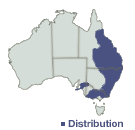
Koalas can be found on the east coast,from far north queensland to victoria and coastal south austraila.Koalas live in tall coastal eucapt forests,but they are nevr found in rainforests or desert areas.


Frilled Neck Lizards

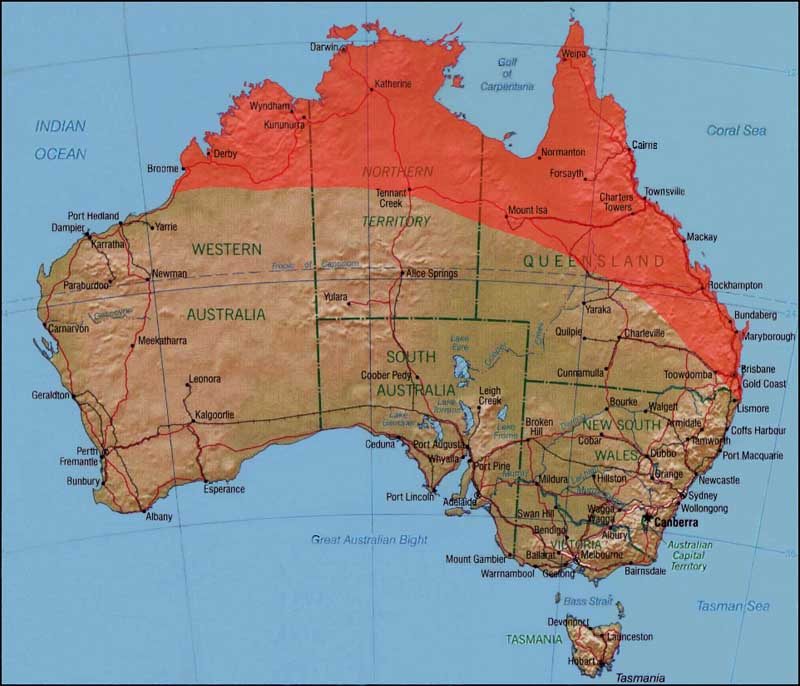
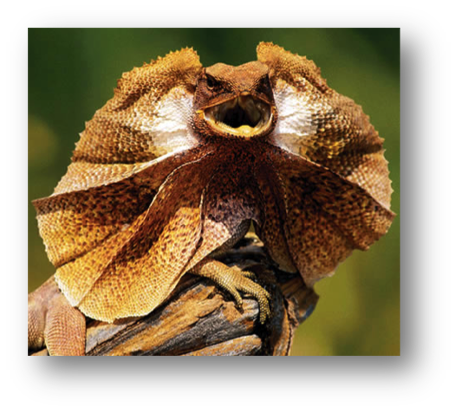
Frill necks can be found right across the tropical top end of austraila and perfers areas that are dry. 

Red Kangaroos 

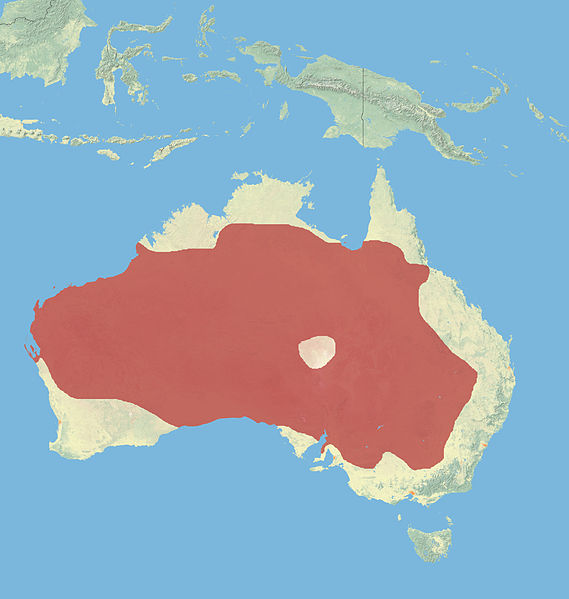
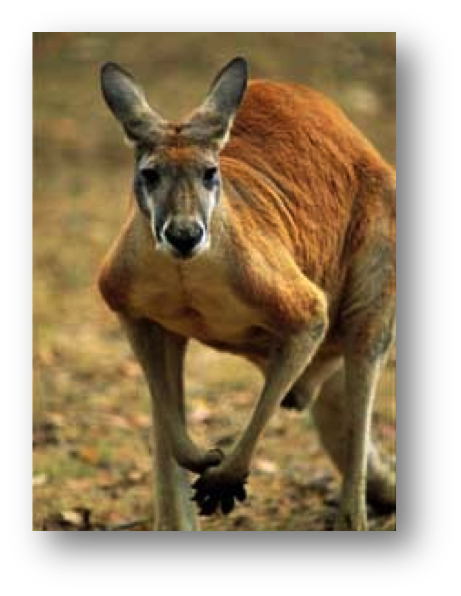
The red kangaoo can be found through western and central australia.They can be found in scrublan, grassland, and desert habitats.They are typically found in open habitats with some trees for shade.

Emu

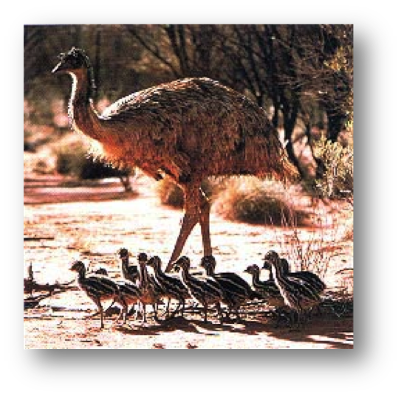
Emus are able to inhabit a very wide range of habitats, but are most commonly found in forest and woodland areas. They are rarely found in deserts,and areas of large human populations.Emus are nation to australia and they can be found throughout most of the country.

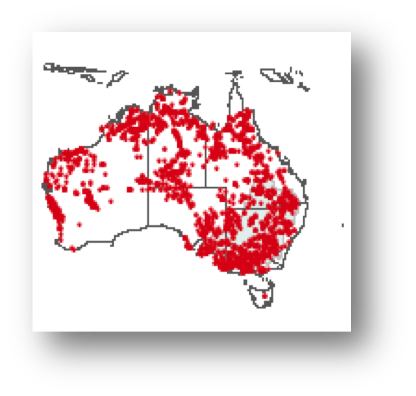
Dingoes

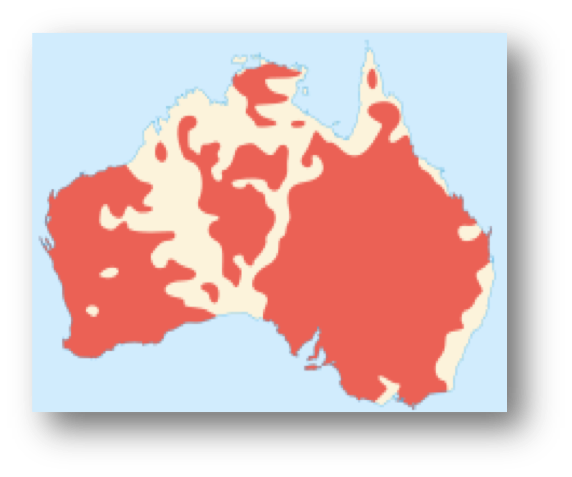
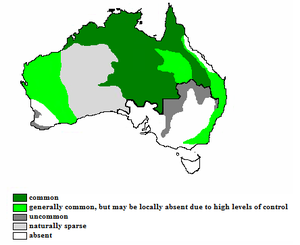
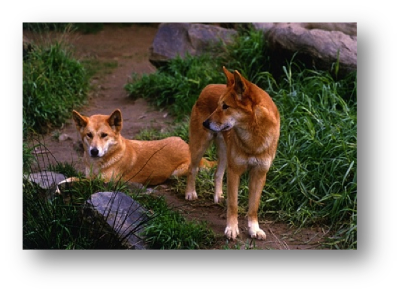
 The dark green is where dingos are most commonly found

 The light green is where some dingoes may be found

 The dark grey is where the giant dingo fence is

 The light grey and white areas are where they would least likely be found

Kookaburra  

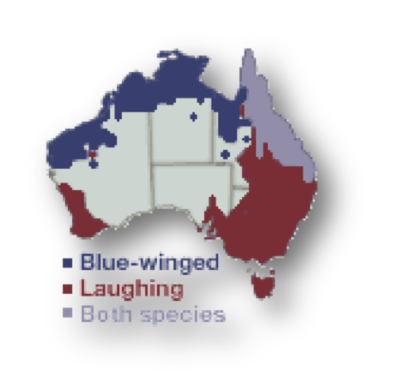
Northern blue-winged kookaburras are found in the tropical north

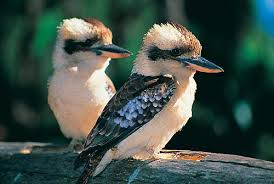
Laughing kookaburras can be found all along the est coast

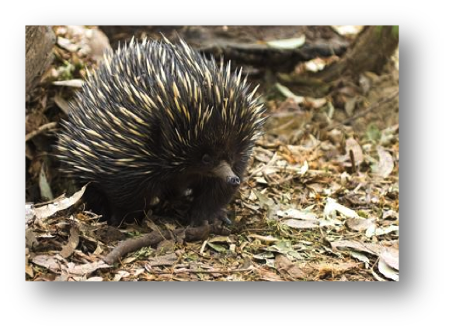
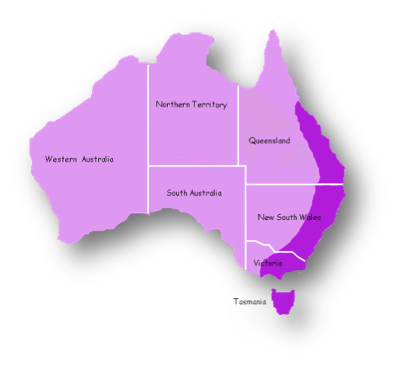
Echidna

Echidnas are found throughout australia, it is the countrys most widespred native animal 

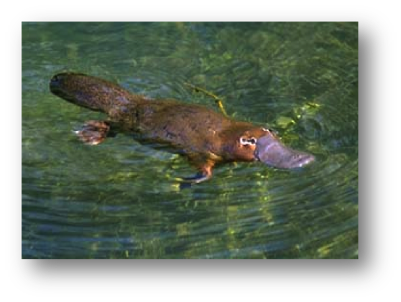
Platypus 

Platypuses can be found throughout eastern coastal australia and its island state of tasmania, particulary in heavy wooded and protected areas.Platypuses live in bush lands as well as tropical rainforests.

Flora

Eucalyptus  

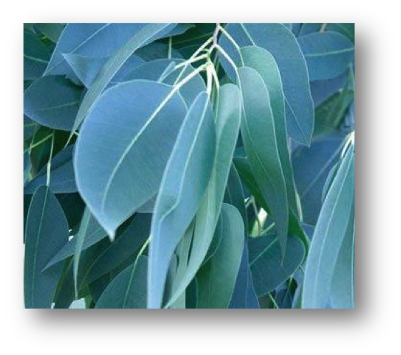
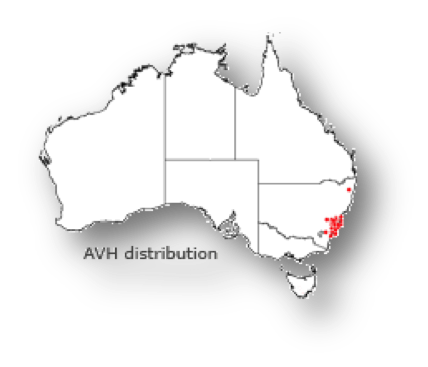
The eucalyptus a common and widespread tree that can be found along watercourses over much of the mainland australia 

                                          Waratah

Most commonly known as the New South Wales Waratah

It is mostly restricted to an area within about 200 km of  sydney  

 Sturt's Desert Pea

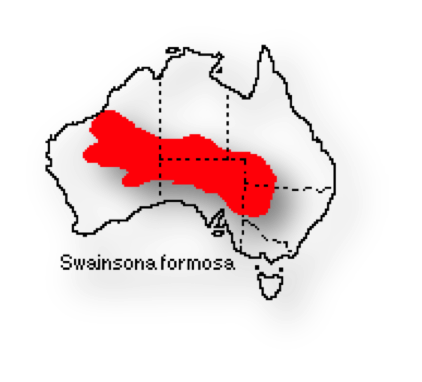
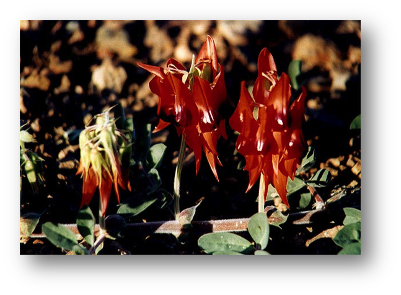
Sturt's Desert Pea can be found in woodlands and in open plains, Sturt's Desert Pea is a protectes plant in south australia 

Wattle Trees 

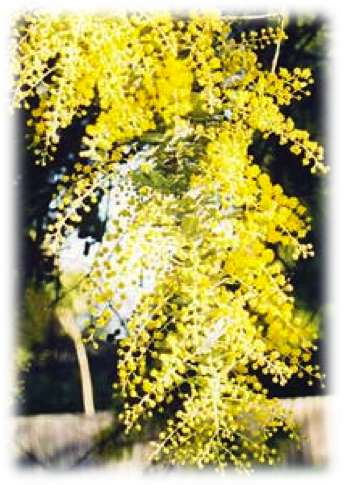
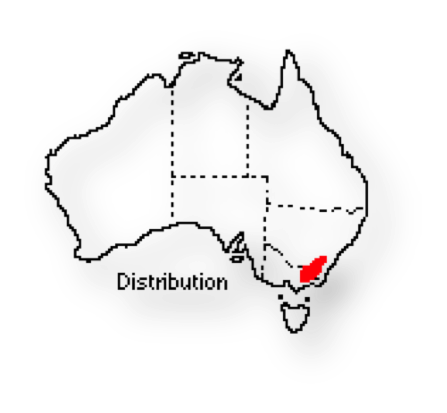
Within Australia Wattle trees can be found in a wide range of differing habitats from coastal areas to alpine regions and from high rainfall to dry inland areas. 

Royal Bluebell 

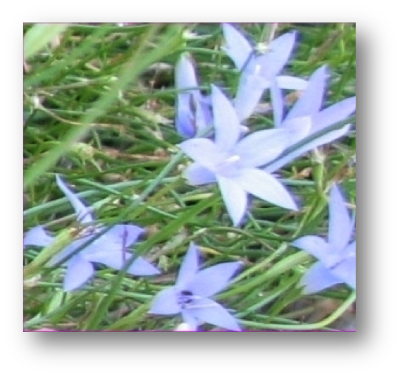
The Royal Bluebell seems to be restricted to the areas of the australian Capital Territory (ACT), south-eastern New South Wales and eastern Victoria. It can be found growing often in rocky areas and grasslands.

Common Heath 

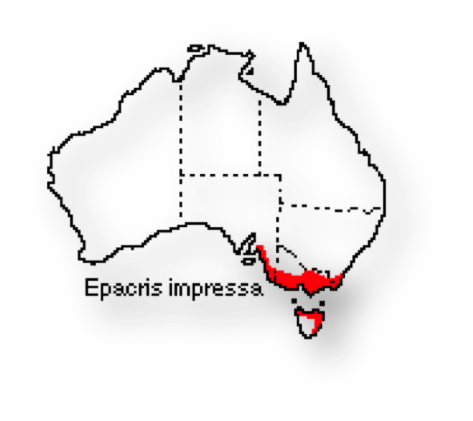
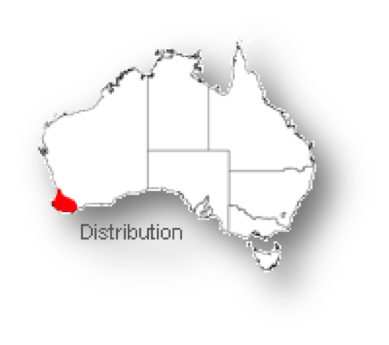
 Common Heath occurs in coastal areas. It can be found also from the Clyde River, New South Wales to the Mt Lofty Ranges in south Australia. In victoria it is normally found in the coastal regions. It can also be quite common in Tasmania.

Banksias 

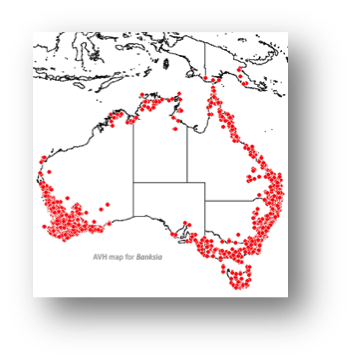
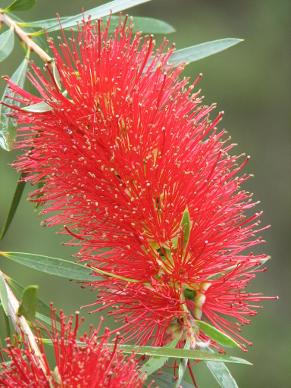
South Western Australia contains the greatest diversity of banksias, whith 60 species recorded. They can also be found growing in parts of australia's eastern coast. 

Kangaroo Paws 

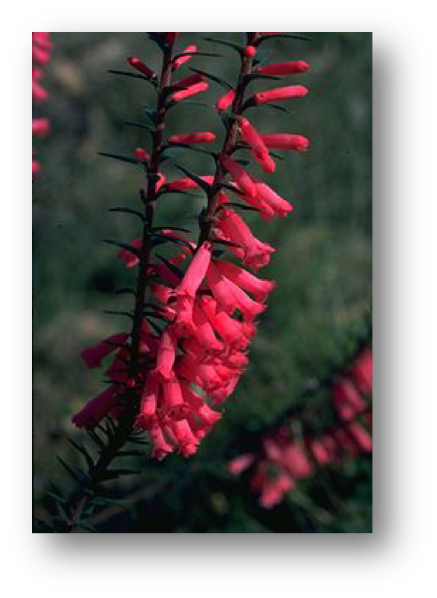
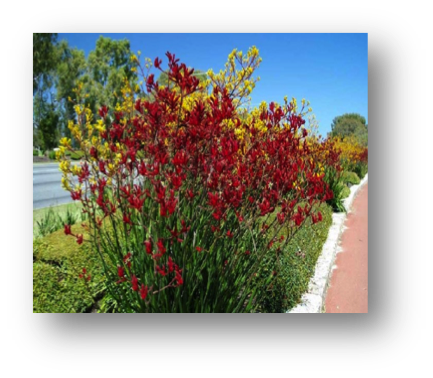
All kangaroo Paws are native to western Australia, and only occour in the wild in this state. They can be found growing on roadsides, river banks, swamp and in shallow water. 


Koalas


Koalas are found in south eastern Australia  and are often described as an ash coloured pouched bear.


Description

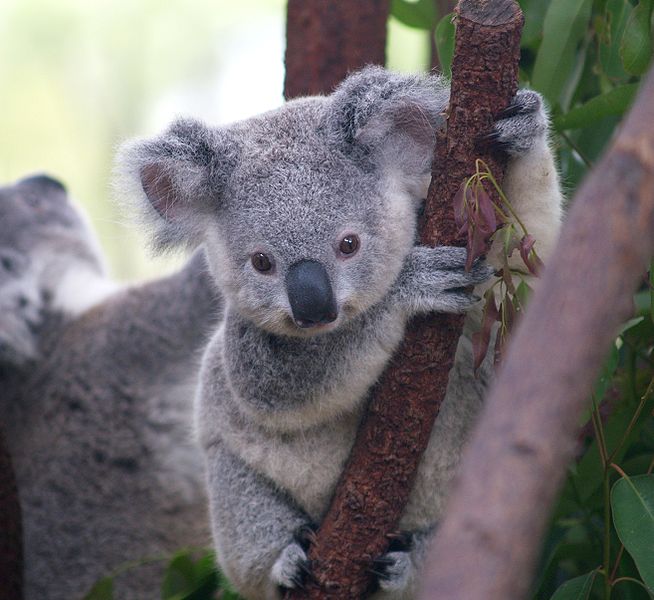
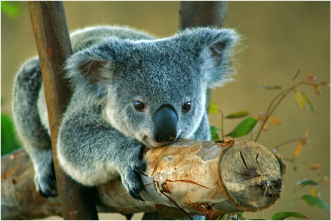
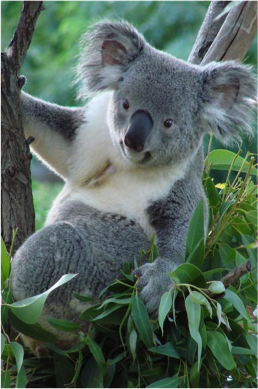
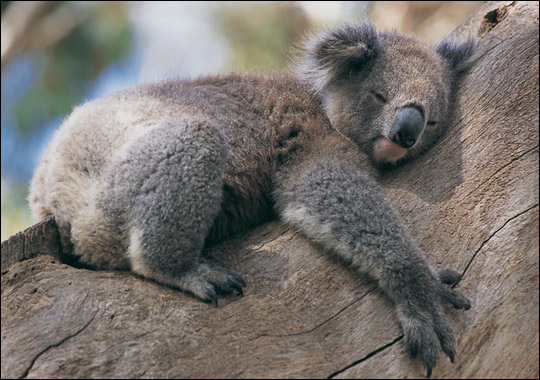
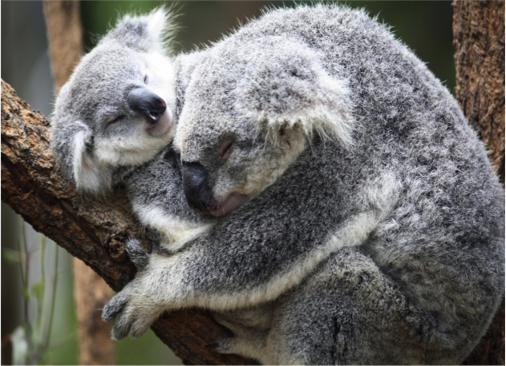
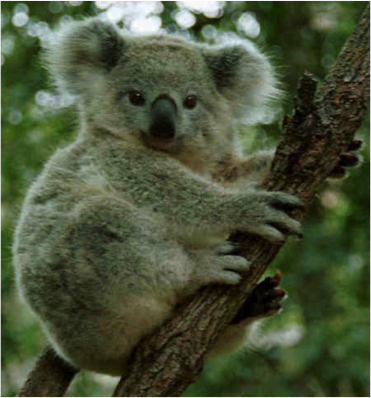
Koalas usually are ash grey in colour with a white chest, thick fur, fluffy ears and broad flat nose. They also have strong limbs and large hands to help them climb trees. Koalas have a short stumpy tail which helps cushion them while they sit on branches. The male koala is larger than the female koala.


Habitat

Koalas are found along the eastern coast of Australia, from the Atherton Tableland west of Cairns in Queensland, through New South Wales, Victoria and South Australia . They are also found on islands off the coast of Queensland, Victoria and South Australia. Their habitats range from tall eucalyptus forests and low woodlands inland, to coastal island trees.


Feeding  

Koalas eat the leaves from Eucalyptus Trees. Koalas can only eat from a select few of the 700 eucalyptus species that exist. An adult koala needs to eat at least 2.5 pounds of leaves every day to survive. They are very fussy about which leaves they eat as the leaves contain a natural poison so they are very careful not to overeat so they don’t make themselves sick.


Threats/Predators  

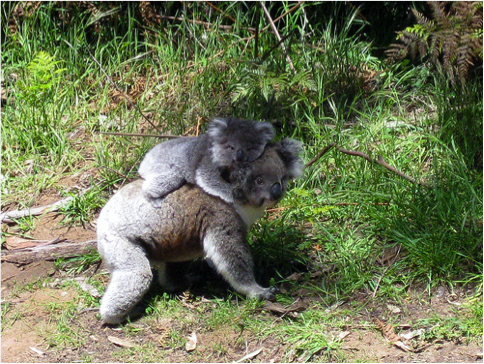
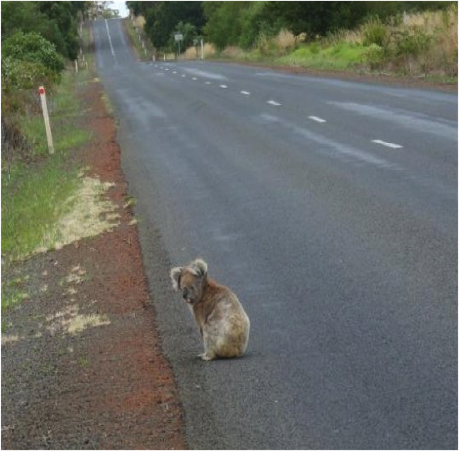
Destruction of their habitat by humans is a major threat to these koalas. Bush fires, traffic and lack of eucalyptus leaves are also big threats. If there are not enough trees in one area for koalas to feed on, they will climb down trees to the ground and walk to where there are more trees. Doing this makes the koalas vulnerable to attack dogs or cats, or being hit by traffic. By walking long distances they are likely to use up most of their energy before they reach another group of trees and die of starvation.


HOW KOALAS HAVE ADAPTED TO AUSTRALIAS HARSH CONDITIONS

Koalas are marsupials that are found in certain parts of Australia. Koalas have adapted in a number of ways to survive the harsh conditions that they face living in Australia. Koalas have padded feet and long claws for better grip, for moving around tree trunks. Both the front and hind legs are strong enough to support them while they climb trees and move from branch to branch. They have developed strong thigh muscles which is a vital adaptation that help them live their life up high in the trees. The paws of a koala have five digits each with sharp claws. On the front paws, two digits act like thumbs. This give the koala a better a better and strong grip while moving around the trees.


Koalas have thick fur. This adaptation makes their tree life comfortable. Koalas have no tail so, compared to other parts of their body, the fur on their tail end is much thicker. This provides cushioning while they sit on branches in the trees. Their thick fur also saves them from extreme temperature changes, and their fur also has moisture-repelling properties that help keep them dry in wet weather.

Koalas have adapted to a diet of eucalyptus leaves. These leaves can be poisonous for many other animals. Koalas are also not known to often drink water as the moisture levels in the eucalyptus leaves are quite high.


Koalas have a keen sense of smell and use their noses to choose the most nutritious eucalyptus leaves to eat. They also are able to tell if they are too toxic to eat through their sense of smell.

As koalas have a diet that provides them with low energy, they have adapted habits to spend less energy. They have a very low metabolic rate as well as low body temperature. They sleep for at least 18 hours a day, and for the rest of the time rest on tree trunks and chew on eucalyptus leaves. All of the above help them use less energy.


For more information on the Australian Koala please click here


This free website was made using Yola.

No HTML skills required. Build your website in minutes.

Go to www.yola.com and sign up today!

Make a free website with Yola